- Which crash conditions produce which injuries, and in whom?
- How severe are thoracic injuries in motor vehicle crashes, and how should they be assessed?
- Which markers help assess a head injury after trauma?
The problem
The problem
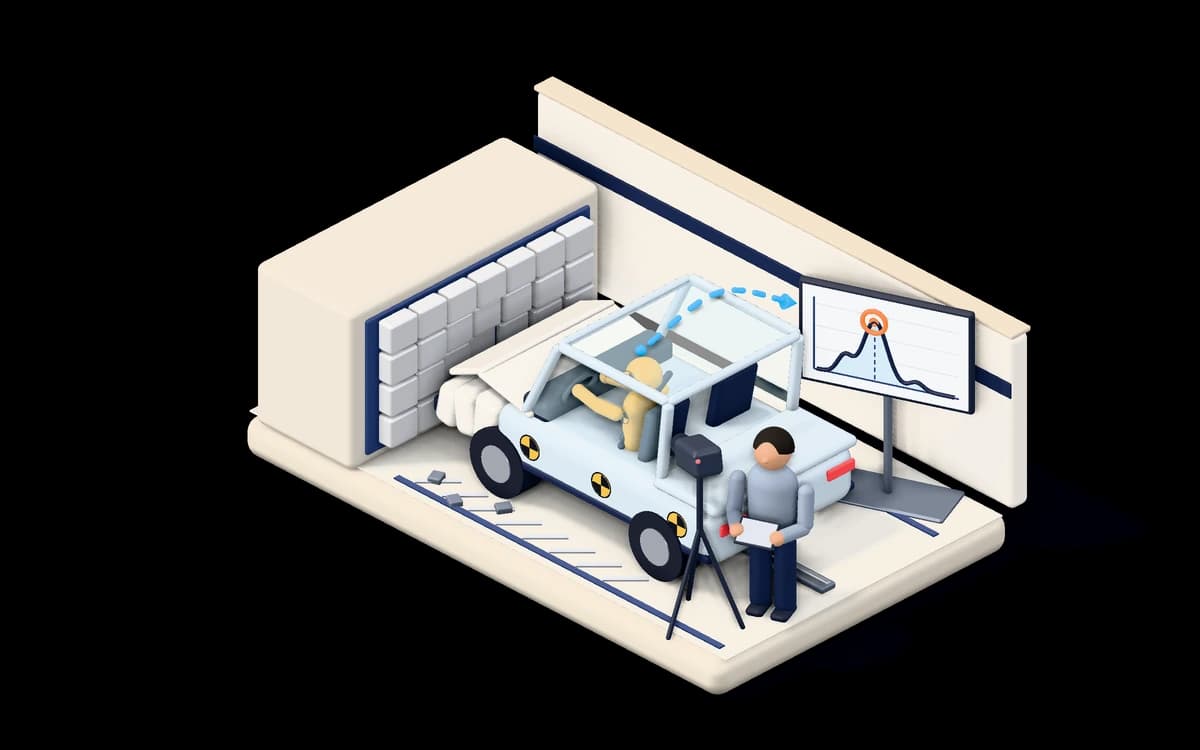
Our physicians work with UVA’s Center for Applied Biomechanics, one of the engineering centers of NHTSA’s Crash Injury Research and Engineering Network (CIREN), linking real crash cases to clinical data to understand how injuries happen and how to prevent them.
Focus areas
What this work wants to know
Which crash conditions produce which injuries, and in whom?
How severe are thoracic injuries in motor vehicle crashes, and how should they be assessed?
Which markers help assess a head injury after trauma?
Studies, papers & news
Featured work
Study
Crash Injury Research and Engineering Network
CIREN · PI: Thomas Hartka, MD
Study
Severity Assessment of MVC-sustained Thoracic Injuries
CIREN-Thoracic · PI: Thomas Hartka, MD
Study
Head injury Serum markers and Multi-modalities for Assessing Response to Trauma
HeadSMART II · PI: Josh Easter, MD
Resource
UVA Center for Applied Biomechanics (UVA)
UVA School of Engineering
People
Who works on this
Faculty whose research connects to this area, and the investigators who lead its studies.
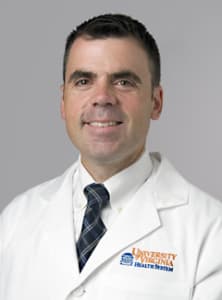
Mark R. Sochor, MD, MS, FACEP
Associate Professor & Medical Director, Center for Applied Biomechanics
Research interests: Injury Biomechanics · Motor Vehicle Crashes · Blunt Force Trauma · Forensic Radiology
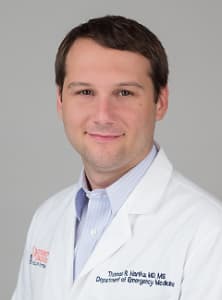
Thomas R. Hartka, MD, MS, MSDS
Associate Professor & EMRO Director
Research interests: Injury Prediction · Crash Biomechanics · Data Science · Prehospital Triage
Study leads
- Josh Easter, MDPrincipal investigator · HeadSMART II
Get involved
Work with this team
Bring a question, a technology to test, or yourself as a participant.
Contact the team
Questions about this research, the people behind it, or working together.
Train with us
Postdocs, PhD students, fellows and research-minded residents: how to join this work.
Interested in partnering on this work?
Cavalier Catalyst connects industry with emergency physicians, engineers and data scientists.
Join a study
What research in the emergency department involves, how consent works, and who to ask.