How should EMS systems be organized and medically directed?
The problem
The problem
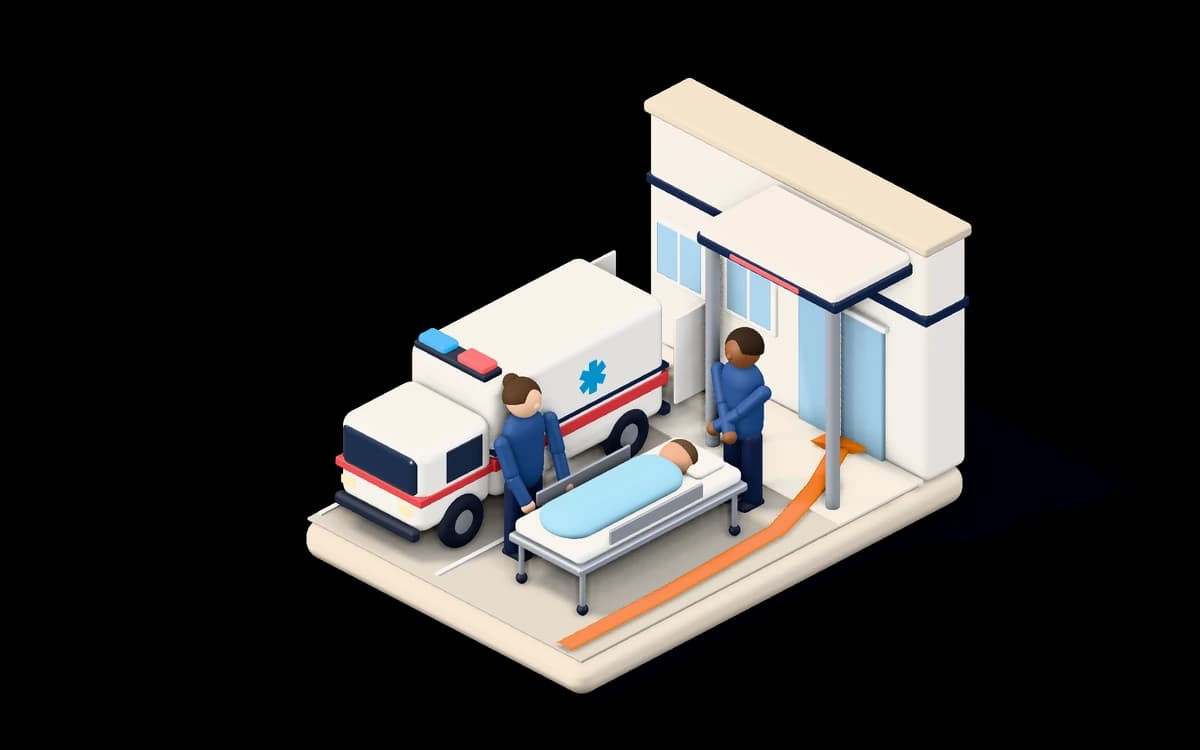
Emergency care begins long before the hospital doors: at dispatch, on scene and in the ambulance. This work studies how prehospital systems, medical direction and mass-casualty response can get the right care to patients faster.
Focus areas
What this work wants to know
How should EMS systems be organized and medically directed?
How do responders triage many patients at once in a mass-casualty event?
Where can decision support help medics in the field?
Papers & news
Featured work
News
Dr. Thomas Hartka and UVA colleagues secure third place in the DARPA Triage Challenge (UVA Emergency Medicine news)
UVA Emergency Medicine · 2025
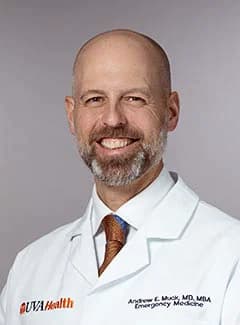
Andrew E. Muck, MD, MBA
Professor & Chair, Marcus L. Martin Distinguished Professor
Research interests: ED Throughput & AI · Medical Direction · Global Health · Medical Education
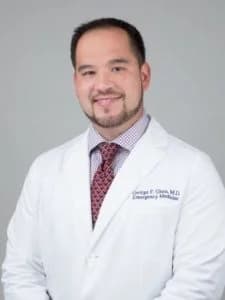
George F. Glass III, MD
Associate Professor & Assistant Research Director, EMRO
Research interests: Operations · Emergency Management · Predictive Analytics · Trauma Biomechanics
Get involved
Work with this team
Bring a question, a technology to test, or yourself as a participant.
Contact the team
Questions about this research, the people behind it, or working together.
Train with us
Postdocs, PhD students, fellows and research-minded residents: how to join this work.
Interested in partnering on this work?
Cavalier Catalyst connects industry with emergency physicians, engineers and data scientists.
Join a study
What research in the emergency department involves, how consent works, and who to ask.