Spotting new threats early
Treatment that starts in the ED
The problem
The problem
The emergency department is often the first, and sometimes the only, contact people with substance use disorders have with care. This work studies the opioid epidemic, toxicosurveillance and treatment that can start in the ED.
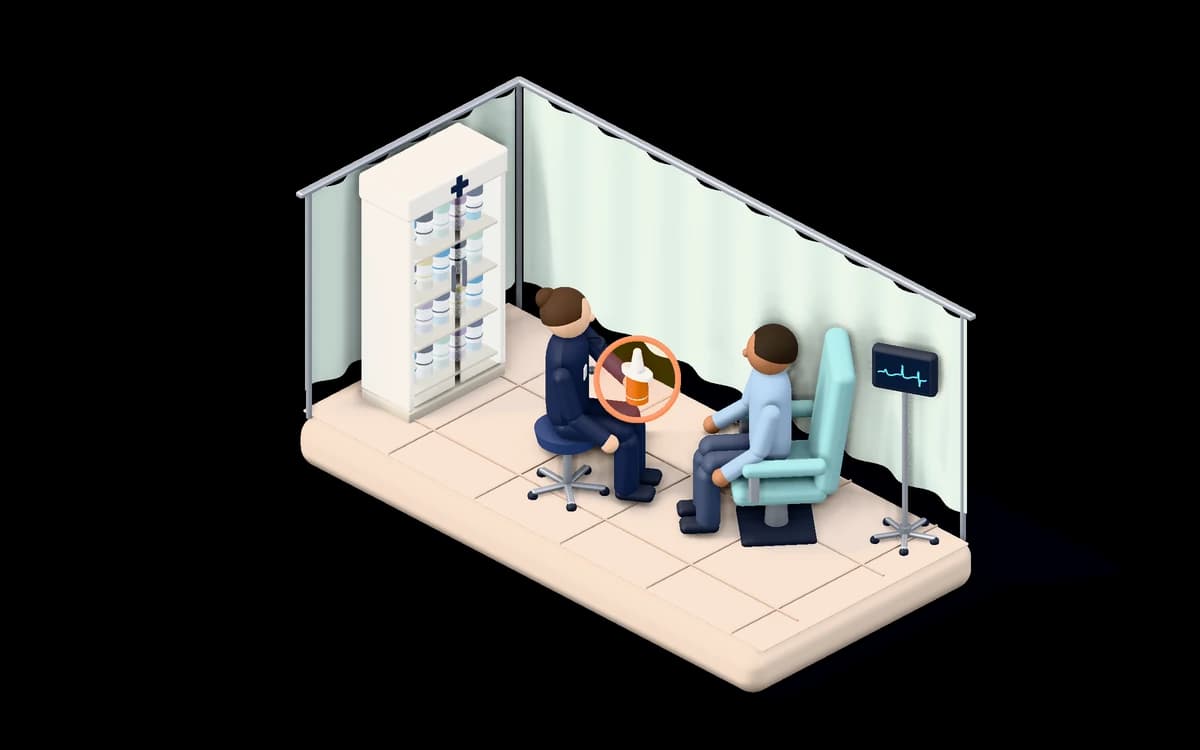
Focus areas
What this work wants to know
What do emergency visits reveal about the course of the opioid epidemic?
How can toxicosurveillance spot new threats early?
Which treatments started in the ED keep patients engaged in care?
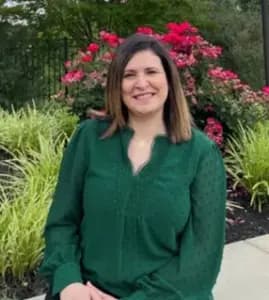
Rita Farah, PhD, MPH, PharmD
Assistant Professor & Lead Epidemiologist
Research interests: Epidemiology · Opioid Epidemic · Substance Use · Toxicosurveillance
Her research focuses on the U.S. opioid epidemic, substance use and toxicosurveillance using national poison center data.
Get involved
Work with this team
Bring a question, a technology to test, or yourself as a participant.
Contact the team
Questions about this research, the people behind it, or working together.
Train with us
Postdocs, PhD students, fellows and research-minded residents: how to join this work.
Interested in partnering on this work?
Cavalier Catalyst connects industry with emergency physicians, engineers and data scientists.
Join a study
What research in the emergency department involves, how consent works, and who to ask.