The problem
The problem
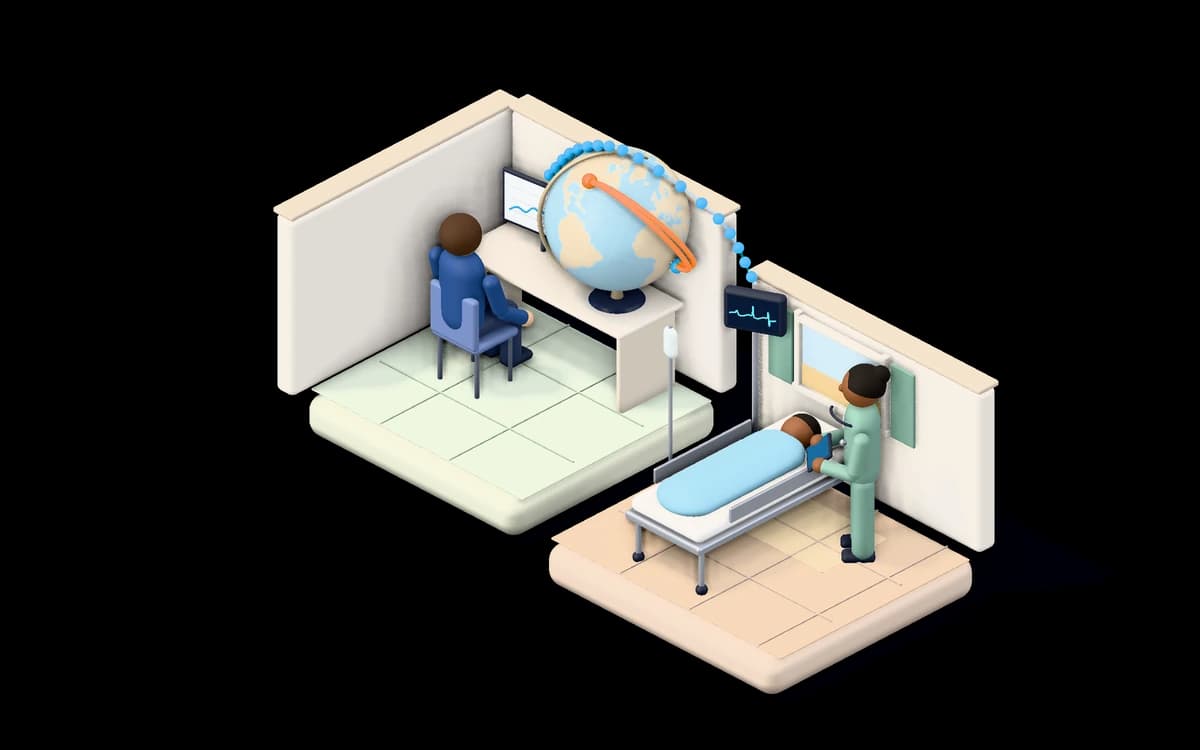
Emergency care depends on systems, and many of the world’s are still being built. This work looks at emergency care beyond Charlottesville and at how data can guide treatment where resources are scarce.
Focus areas
What this work wants to know
How can emergency care be strengthened in resource-limited settings?
Can predictive models of tuberculosis treatment outcomes help target interventions?
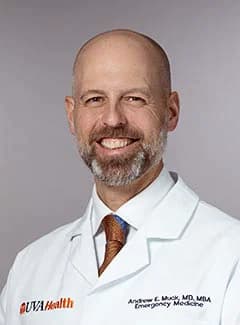
Andrew E. Muck, MD, MBA
Professor & Chair, Marcus L. Martin Distinguished Professor
Research interests: ED Throughput & AI · Medical Direction · Global Health · Medical Education

Farah Turkistani, MSDS
Data Scientist
Research interests: Machine Learning · Global Health · Tuberculosis · Sepsis
Get involved
Work with this team
Bring a question, a technology to test, or yourself as a participant.
Contact the team
Questions about this research, the people behind it, or working together.
Train with us
Postdocs, PhD students, fellows and research-minded residents: how to join this work.
Interested in partnering on this work?
Cavalier Catalyst connects industry with emergency physicians, engineers and data scientists.
Join a study
What research in the emergency department involves, how consent works, and who to ask.