Digital follow-up & mental health
Tools that keep patients connected after they leave the ED.
The problem
The problem
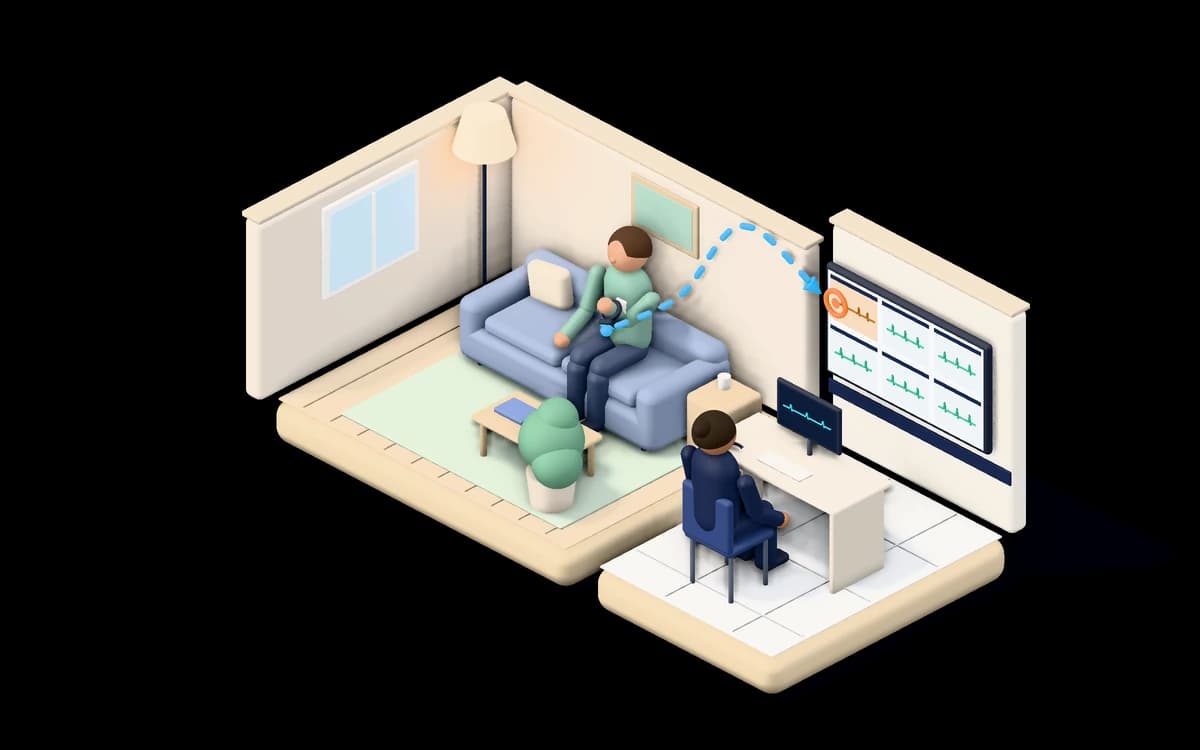
Care doesn’t end at discharge, and the handoff home is where many patients fall through. This work builds and tests digital tools for patients and clinicians, from continuous signals and new markers of labored breathing to a digital solution that connects schools, emergency departments and families around youth mental health.
Focus areas
What this work wants to know
Which physiological signals warn of deterioration early?
How can emergency departments, schools and families work together on youth mental health?
How should digital tools fit clinical workflows?
Studies, papers & news
Featured work
Study
Novel physio markers of labored breathing in the emergency room
ARK · PI: Shrirang Gadrey, MD
Study
Analysis of respiratory kinematics during pediatric asthma bronchodilator response testing
Pediatric asthma kinematics · PI: Shrirang Gadrey, MD
People
Who works on this
Faculty whose research connects to this area, and the investigators who lead its studies.
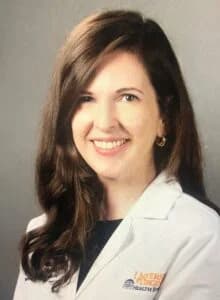
Moira E. Smith, MD, MPH
Assistant Professor of Emergency Medicine
Research interests: Clinical Informatics · Clinical Decision Support · AI in Emergency Medicine · Digital Health
In this area
Dr. Moira Smith and team receive TYDE Grand Challenge grant for youth mental health
UVA Emergency Medicine · 2025

R. Andrew Taylor, MD, MHS
Robert E. O’Connor Distinguished Professor & Vice Chair for Research and Innovation
Research interests: Artificial Intelligence · Clinical Decision Support · Informatics · Digital Health
Study leads
- Shrirang Gadrey, MDPrincipal investigator · ARK, Pediatric asthma kinematics
Get involved
Work with this team
Bring a question, a technology to test, or yourself as a participant.
Contact the team
Questions about this research, the people behind it, or working together.
Train with us
Postdocs, PhD students, fellows and research-minded residents: how to join this work.
Interested in partnering on this work?
Cavalier Catalyst connects industry with emergency physicians, engineers and data scientists.
Join a study
What research in the emergency department involves, how consent works, and who to ask.