- Straight line
- By road
- Reach
- soonerlater
The problem
The problem
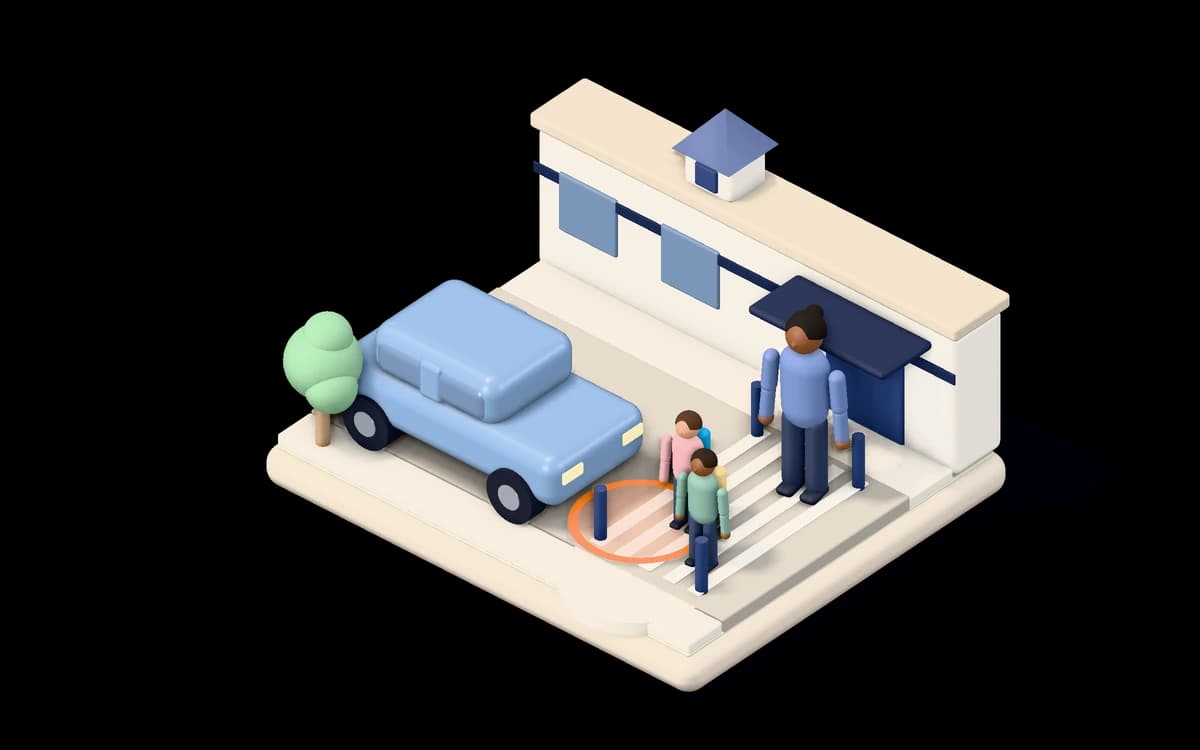
The best emergency is the one that never happens. This work studies how buildings, streets and neighborhoods, and the policies behind them, shape injury and illness, and how the built environment affects how well EMS can reach people.
Focus areas
What this work wants to know
How do architecture and urban design affect health and emergency care?
How does the built environment affect EMS system performance?
Where, geographically, is risk concentrated, and why?
Matthew J. Trowbridge, MD, MPH
Associate Professor & Director of Student and Resident Research
Research interests: Built Environment & Health · Injury Prevention · EMS Systems · Medical Design
Pavel Chernyavskiy, PhD
Assistant Professor of Biostatistics
Research interests: Spatial Statistics · Bayesian Methods · Hierarchical Models · Population Health
Get involved
Work with this team
Bring a question, a technology to test, or yourself as a participant.
Contact the team
Questions about this research, the people behind it, or working together.
Train with us
Postdocs, PhD students, fellows and research-minded residents: how to join this work.
Interested in partnering on this work?
Cavalier Catalyst connects industry with emergency physicians, engineers and data scientists.
Join a study
What research in the emergency department involves, how consent works, and who to ask.