The problem
The problem
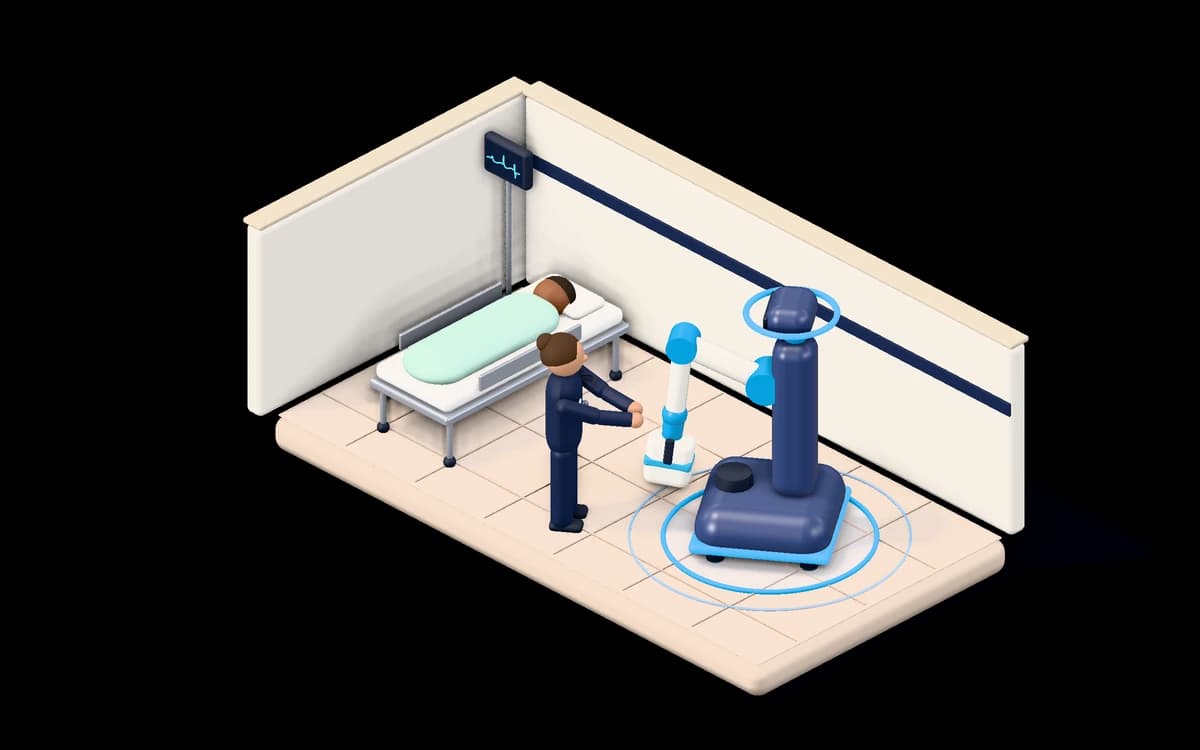
Physical AI takes models off the screen and into the clinical environment: robots, sensors and devices that perceive and act. We are exploring where they could safely take on work in emergency care, and how digital twins of the department can test them first, with human–robot interaction research in the department and 3D computer vision colleagues in the UVA School of Data Science.
Focus areas
What this work wants to know
Which emergency department tasks could robots safely assist with?
How can a digital twin of the department test new technology before it reaches patients?
What does safe human–robot teamwork look like at the bedside?

Houston Claure, PhD
Assistant Professor of Emergency Medicine
Research interests: Robotics · Human–Robot Interaction · Value Alignment · AI Safety

R. Andrew Taylor, MD, MHS
Robert E. O’Connor Distinguished Professor & Vice Chair for Research and Innovation
Research interests: Artificial Intelligence · Clinical Decision Support · Informatics · Digital Health
Partners
Who we work with
Colleagues across UVA who build this work with us as co-investigators.
- Lei Li, PhDAssistant Professor of Data Science; leads the Spatial AI Lab
- Cheng Peng, PhDAssistant Professor of Data Science
Get involved
Work with this team
Bring a question, a technology to test, or yourself as a participant.
Contact the team
Questions about this research, the people behind it, or working together.
Train with us
Postdocs, PhD students, fellows and research-minded residents: how to join this work.
Interested in partnering on this work?
Cavalier Catalyst connects industry with emergency physicians, engineers and data scientists.
Join a study
What research in the emergency department involves, how consent works, and who to ask.